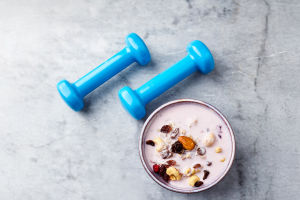
Athletes know that fueling their bodies with the right foods before and after a workout can make a world of difference. But what exactly should they eat to get the most out of their performance and recovery?
Whether you're training for a marathon, hitting the gym, or just working on your fitness, what you eat plays a huge role in your success. Let's break down the ideal foods for pre- and post-workout nutrition.
The Importance of Pre-Workout Nutrition
Pre-workout nutrition is about preparing your body for the intense physical activity to come. It's not just about fueling your muscles; it's also about giving your body the energy it needs to perform at its best. The goal is to ensure that your body is ready for peak performance and that you have enough energy to push through your workout.
1. Carbohydrates for Energy:
Carbs are your body's primary source of energy during physical activity. Eating complex carbohydrates like whole grains, sweet potatoes, or fruits about 1-2 hours before a workout helps to provide sustained energy. These carbs break down slowly, releasing energy over time, which is perfect for endurance activities or strength training.
2. Protein for Muscle Support:
Protein helps to repair and build muscle tissue. Having some protein before your workout can help prevent muscle breakdown during intense physical exertion. Opt for lean sources like chicken, or plant-based options like tofu and legumes. A small amount of protein paired with carbs will keep your muscles in top condition.
3. Healthy Fats for Sustained Energy:
While fats aren't immediately used for energy during a workout, they are essential for longer sessions. Healthy fats like those from avocado, nuts, and olive oil can provide long-lasting energy, making them an excellent choice for those engaging in extended training sessions.
- Pre-Workout Meal Example:
A great pre-workout meal could be a bowl of oatmeal topped with banana slices and a spoonful of peanut butter. This provides a good balance of carbs, protein, and healthy fats, giving you steady energy for your workout.
When to Eat Before a Workout?
According to sports‑nutrition guidance from the Mayo Clinic, a substantial meal should ideally be consumed 3–4 hours before intense exercise, or a lighter “snack‑style” meal 1–3 hours before training — and even a small, easy‑to‑digest snack shortly before can work if well‑tolerated.
If you're in a rush, a smaller snack 30-60 minutes before can work just as well. A small smoothie with fruit and protein powder or a slice of whole-grain toast with almond butter can give you a quick energy boost without feeling too heavy.
The Role of Post-Workout Nutrition
After an intense workout, your body needs the right nutrients to recover, rebuild, and refuel. Post-workout nutrition is about replenishing what was lost during exercise and kick-starting the repair process for your muscles.
1. Replenishing Carbohydrates:
After your workout, your body's glycogen stores are depleted, and it's crucial to replenish them with carbs. This helps to restore your energy levels and prepare you for your next workout. Choose fast-digesting carbohydrates like fruits, rice, or potatoes to quickly fuel up your muscles.
2. Protein for Muscle Recovery:
Post-workout is the best time to give your muscles the protein they need to repair and grow. Consuming protein within 30 minutes to an hour of finishing your workout maximizes the muscle recovery process. Lean proteins like chicken, eggs, or plant-based options like quinoa or lentils are great choices.
3. Rehydration:
Don't forget to hydrate! During exercise, you lose fluids through sweat, so it's essential to replenish those fluids after your workout. Water is the best option, but if you've had an intense session, an electrolyte drink can help replace sodium, potassium, and other essential minerals.
- Post-Workout Meal Example:
A post-workout meal could be a grilled chicken fillet with quinoa and steamed vegetables. Add a side of fruit like berries or an apple to replenish your carbs and give your body the vitamins it needs to recover.
When to Eat After a Workout?
The window for post-workout nutrition is considered to be within 30 to 60 minutes after exercise. This is when your muscles are most receptive to absorbing nutrients. However, if you're unable to eat within that time frame, don't worry too much. Eating a balanced meal within 2 hours can still provide significant benefits.
If you don't have a full meal ready, a quick protein shake or smoothie with fruit can be a convenient and effective option. Just make sure it has both protein and carbs to fuel recovery.
What About Supplements?
Supplements can be a helpful addition to a healthy diet, but they should never replace whole foods. Protein powder, for example, can be a quick and convenient way to meet your protein needs post-workout, especially if you're on the go. However, it's best to prioritize whole foods whenever possible.
Some athletes also use branched-chain amino acids (BCAAs) before or after a workout to support muscle recovery and reduce soreness. While BCAAs can be beneficial, a balanced diet with adequate protein typically provides all the amino acids your body needs.
Wrapping It Up: Fueling for Success
Whether you're training for a marathon or just hitting the gym, nutrition plays a huge role in your performance and recovery. By fueling your body with the right foods before and after your workout, you'll give yourself the best chance to succeed.
Remember to focus on a balance of carbohydrates, protein, and healthy fats to fuel your workouts and help your muscles recover afterward. Don't forget the importance of hydration—water is your best friend throughout the entire process.
By staying consistent with your pre- and post-workout nutrition, you'll see improvements in your energy, performance, and recovery, taking your fitness to new heights.