Young Humpbacks Play

Declan Kennedy
| 11-02-2026
 · Animal Team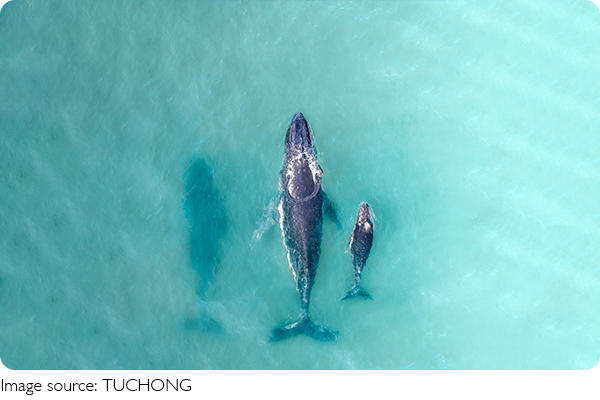
We can’t help but smile when we see young humpback whales in the open ocean. These playful creatures, just a few months to a few years old, are smaller than grown whales but full of energy and curiosity.
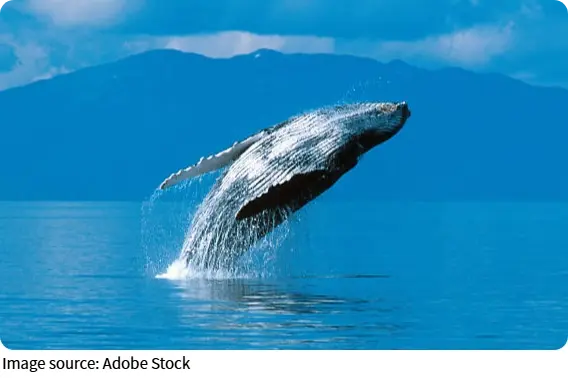
Watching them glide through the blue waters, often leaping and slapping their fins on the surface, makes us feel like we’re witnessing the pure joy of nature. If you ever get a chance to see them in the wild, you’ll understand why whale watchers can spend hours just observing their antics.
Learning from the Waters
Young humpbacks spend a lot of time learning how to survive. We notice them practicing dives, flips, and bubble-net feeding techniques that older whales use to catch krill and small fish. Even when they make mistakes, we see their determination and the playful spirit that helps them grow stronger. Observing their learning reminds us how important practice and patience are, whether underwater or on land.
Bonding with Mothers
Calves stay close to their mothers, relying on them for protection and guidance. We can see mothers nudging their young to swim faster or teaching them how to jump and maneuver. This bond is heartwarming and gives us a glimpse of family life beneath the waves. The gentle guidance and playful interactions show us how care, patience, and trust help the young thrive.
Social Fun in the Blue
Young humpbacks are also social. We often see them playing with other calves, chasing each other, or surfacing together. These interactions are essential for building social skills, coordination, and strength. From our perspective, it’s like watching a group of energetic children at a playground, but in the vast, sparkling ocean. Their playful energy is contagious, making us feel a connection to the marine world that is both joyful and inspiring.
Exploring the Ocean
Curiosity drives young humpbacks to explore their surroundings. We can see them investigating floating objects, swimming around boats, or simply testing how high they can leap. Each splash and twist in the water is a chance for them to understand the world. Observing this reminds us how exciting it is to explore new places and embrace discovery, just like these young whales do.
Feeding and Growing Strong
While young whales are playful, they also need plenty of food to grow. Their diet mainly consists of krill and small fish, which they often learn to capture using bubble nets. We watch as they practice diving and circling techniques, sometimes imitating older whales or experimenting on their own. This combination of learning and play ensures they develop both the skills and strength needed to survive in the vast ocean.
Migration and Adventure
Young humpbacks begin to follow mature whales on seasonal migrations early in life. We can imagine the excitement and challenge of traveling thousands of kilometers between feeding and breeding grounds. During migration, they experience different water temperatures, currents, and marine life. Watching young whales navigate these journeys teaches us about resilience and adaptability in the face of challenges.
Challenges in Their Journey
Life isn’t always easy for these young giants. Predators like orcas pose a threat, and human activities—like shipping, fishing nets, and ocean noise—can disrupt their learning and growth. However, seeing their resilience and playful energy makes us hopeful. Protecting their habitats allows these young humpbacks to grow, play, and eventually join the larger whale migrations across the oceans. We realize that every effort we make to reduce human impact helps these young whales thrive.
Why We Are Captivated
There’s something magical about witnessing young humpbacks in their natural element. We feel awe at their leaps, laughter at their playful splashes, and admiration for their courage as they practice survival skills. Each sighting leaves a lasting impression, reminding us that even the ocean’s giants can teach us lessons about joy, learning, and family. Seeing them reminds us of the beauty of curiosity and exploration, and how life is richer when we embrace playful discovery.
Tips for Observing Young Humpbacks
We suggest Lykkers look for these young whales during peak migration seasons, often in late winter to early spring near coastal waters. Taking responsible whale-watching tours can maximize sightings without disturbing their natural behaviors. We can also bring binoculars and a camera to capture their leaps and splashes safely. Remember, patience is key—sometimes the magic happens quietly, just below the surface.
Parting Waves
We hope Lykkers feel the wonder of these young humpback whales as much as we do. Next time you watch the ocean, imagine their playful leaps beneath the surface, full of energy and life. These young giants show us that even in the vast blue waters, curiosity, courage, and playfulness make life truly extraordinary. Watching them reminds us that nature still holds endless moments of awe and joy waiting to be discovered.
Our Planet | Humpback Whales | Clip | Netflix
Video by Netflix