Brown Bear Wonders

Caroll Alvarado
| 09-03-2026
 · Animal Team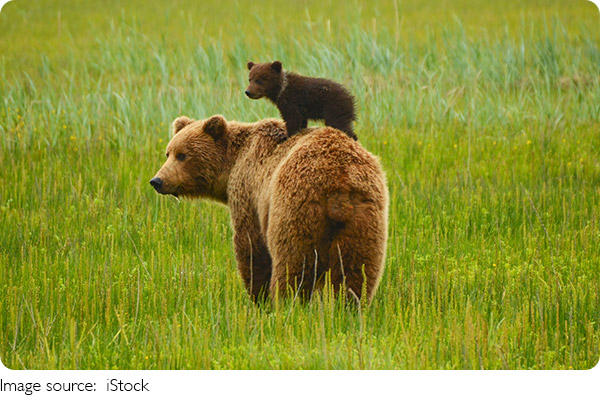
Have you ever spotted a massive animal wandering through the forest and wondered what it eats, how it sleeps, or even how it interacts with its surroundings?
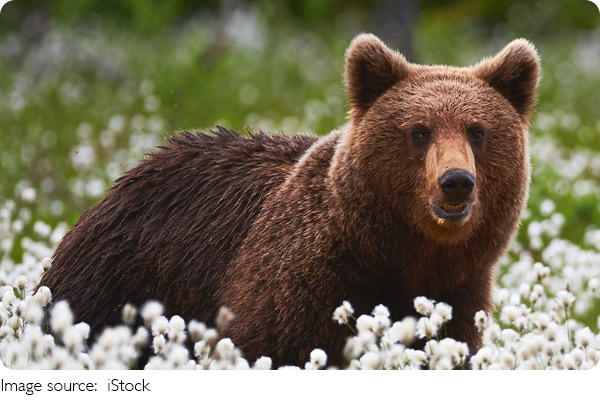
The brown bear, or Ursus arctos, is one of nature's most intriguing giants.
From its impressive size to its surprising intelligence, this species offers countless fascinating glimpses into the wild. Observing their behavior—even from a safe distance—can reveal the delicate balance between predator, scavenger, and ecosystem guardian.
Physical Traits & Lifespan
1. Size and Strength
Mature brown bears can weigh anywhere from 180 to 680 kilograms, depending on the region and food availability. Males are generally larger than females, with some coastal bears reaching extraordinary weights thanks to abundant fish resources. Their sheer strength allows them to move heavy objects, dig for roots, and even overturn rocks in search of insects.
2. Lifespan and Growth
In the wild, brown bears live around 20–30 years, though some in protected areas may exceed 35 years. Cubs are born blind and tiny, weighing only about 0.5 kilograms, and rely entirely on their mother's care for the first year of life.
3. Physical Adaptations
Brown bears have thick fur that insulates against cold temperatures, and long, curved claws for digging and climbing. Their large paws also help them move through snow and rough terrain efficiently.
Behavior and Diet
1. Omnivorous Feeding Habits
Brown bears are versatile eaters, consuming a mix of berries, nuts, insects, small mammals, fish, and even carrion. Seasonal availability influences their diet: spring brings young plants and leftover carrion, summer offers fruits and berries, and fall prompts them to consume large amounts of food to store energy reserves for hibernation.
2. Hibernation Patterns
Unlike some other species, brown bears do not enter true hibernation. Instead, they enter a state of torpor, during which their heart rate slows, but they can awaken if disturbed. This adaptation allows them to survive long winters without consuming food while conserving energy.
3. Communication & Territory
Bears communicate through body language, scent marking, and vocalizations. Males maintain expansive territories that can overlap with several females. Cubs often stay with their mothers for up to two years before venturing independently.
Intelligence and Survival Skills
1. Problem-Solving
Brown bears display remarkable intelligence, often using tools and observation to access difficult-to-reach food sources. Some have been documented rolling logs or moving rocks to reach insects or fish.
2. Learning from Experience
Young bears learn essential survival skills from their mothers, including finding food, recognizing threats, and navigating complex terrain. These early lessons are crucial for their long-term survival.
3. Adaptability
This species thrives in diverse habitats, from tundras and alpine forests to river valleys. Their ability to adjust to different climates and food sources contributes to their widespread distribution across Europe, Asia, and North America.
Conservation and Human Interaction
1. Population Status
Brown bear populations are stable in some regions but vulnerable in others due to habitat loss and human encroachment. Conservation efforts focus on creating protected areas and maintaining corridors that allow bears to roam freely.
2. Coexistence with Humans
Learning about bear behavior is essential for minimizing conflicts. Campers and hikers are advised to store food securely, avoid surprising bears, and observe from a distance.
3. The Role in Ecosystems
As apex foragers, brown bears help maintain healthy ecosystems by dispersing seeds, regulating prey populations, and recycling nutrients.
Observing the brown bear offers a window into the resilience and ingenuity of wildlife. Their strength, intelligence, and adaptability remind us of the intricate web of life in forests and mountains. By learning more about these magnificent creatures and respecting their habitats, we not only safeguard the bears but also enrich our own understanding of the natural world. Next time you explore a wilderness area, pause and imagine the secret life of a brown bear nearby—you might be closer to witnessing nature's quiet marvels than you think.