Snow Leopard Life

Chris Isidore
| 21-04-2026
 · Animal Team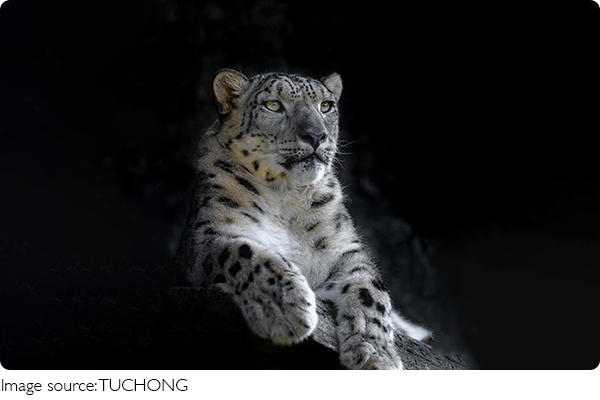
Have you ever wondered how a powerful wild cat survives in some of the coldest and highest places on Earth? Today, we are exploring the snow leopard, a rare and graceful mountain hunter often called the “ghost of the high peaks.”
We will walk through its lifestyle, hunting methods, and family behavior in a simple and clear way, so we can truly understand how it thrives in extreme environments.
A Life Across High Mountain Territories
Snow leopards live in some of the highest and most remote mountain regions on Earth, where steep cliffs, frozen slopes, and vast rocky landscapes stretch as far as the eye can see. We can imagine a world covered in snow and stone, where silence is broken only by the wind.
In these environments, snow leopards move across wide territories with quiet confidence. They travel along narrow ridges and unstable rocks, blending naturally into the pale and gray surroundings. Their steps are light, steady, and controlled, even when the ground is uneven or dangerous.
We can see them as true masters of vertical landscapes. Strong winds, thin air, and harsh weather are not obstacles for them. Instead, these extreme conditions shape their daily life and define the world they belong to.
Built for Extreme Mountain Survival
Living in such high places requires special abilities. Snow leopards have strong legs, thick fur, and wide paws that help them walk on snow without sinking too deeply.
We can also notice their long tail, which helps them balance when jumping across rocks or climbing steep slopes. This tail also works like a warm cover when they rest.
Their thick coat protects them from freezing temperatures, while their strong chest allows them to breathe in thin air at high altitude. Everything about their body is designed for survival in extreme cold.
Silent and Smart Hunting Style
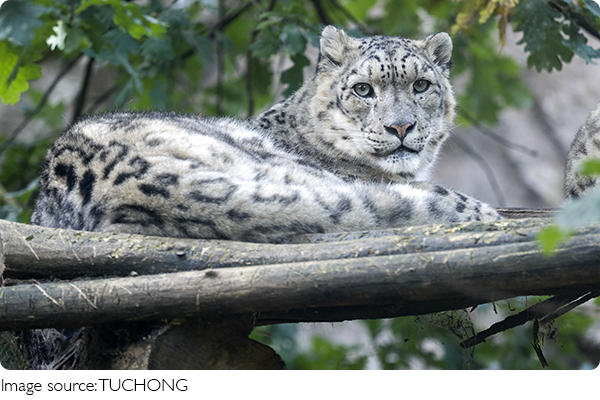
When resting, a snow leopard may look calm and peaceful, almost like a large cat enjoying the sun. But once it starts hunting, its behavior changes completely.
We can see how careful and intelligent it becomes. Instead of rushing, it observes its surroundings quietly. It often waits patiently behind rocks or above cliffs, watching for movement below.
When the moment is right, it moves silently and quickly toward its target. This combination of patience and speed makes it one of the most effective hunters in the mountains.
Challenging Prey in the Wild
Snow leopards hunt a variety of animals depending on availability. Some of their main targets include mountain goats, wild sheep, and similar animals adapted to rocky terrain.
One of the most difficult prey is the mountain goat. These animals are strong climbers and have sharp, curved horns for protection. We can understand why catching them is not easy. Success is never guaranteed, and many hunts require careful planning.
To improve their chances, snow leopards often hide among rocks and wait for the herd to move into a suitable position. They use height, silence, and timing to approach without being noticed.
Wild sheep are usually easier to hunt because they move in groups and are less defensive in rocky terrain, allowing snow leopards to act more directly.
Flexible Diet and Smart Choices
Snow leopards are not limited to large prey. When necessary, they also hunt smaller animals found in the mountains. These smaller meals help them survive when larger prey is harder to find.
We can also see that they sometimes adjust their hunting habits depending on the season and food availability. This flexibility is one of the reasons they can survive in such difficult environments.
Hunting Yak and Night Strategies
In rare situations, snow leopards may target larger animals such as yak, especially when food is scarce. These hunts require careful timing and often happen during quiet hours when herds are less alert.
Instead of attacking directly, snow leopards prefer to move slowly and choose a hidden position. They rely on surprise rather than strength alone.
This shows us how intelligent their hunting behavior is. Every action is calculated, not random.
Family Care and Sharing Behavior
Snow leopards also show strong family bonds, especially between mothers and their young. When a mother successfully hunts, she often allows her cubs to eat first.
We can see this as a survival strategy. Young cubs need energy to grow and learn hunting skills. The mother ensures they are safe and well-fed before taking her own share.
This behavior highlights both care and responsibility in the wild, showing that survival is not only about strength but also about cooperation within family groups.
Daily Life in Summer Mountains
During warmer seasons, snow leopards continue to patrol their territory while also hunting smaller animals more frequently. These activities are not only for survival but also part of their natural routine.
We can imagine them moving quietly through mountain paths, climbing ridges, and observing their surroundings. Even simple movement becomes part of a carefully balanced life in the wild.
The Silent Power of the Mountains
Snow leopards are powerful yet quiet hunters of the high mountains. Their survival depends on patience, intelligence, and physical strength. Every day, they face challenges from nature, yet they continue to adapt and endure.
As we reflect on their life, we can see how perfectly they are designed for their environment. Their story reminds us that survival is not just about force, but also about strategy and balance.
So Lykkers, what do you think about this mysterious mountain hunter? Would you like to explore more amazing wildlife stories next time?
Snow Leopard Hunting | Planet Earth | BBC Earth
Video by BBC Earth