Soil Moisture Balance

Kwame Johnson
| 30-04-2026
 · Lifestyle Team
Hi Lykkers, if we enjoy bringing greenery into our homes, we have probably felt both joy and confusion while caring for plants. A healthy plant can brighten a room, but when leaves start to lose their freshness, many of us wonder what went wrong.
One of the most common reasons is not the plant itself, but how we manage moisture in the soil. Learning how to handle this part well can make plant care much easier and more enjoyable for all of us.
Why Less Frequent Moisture Often Works Better
In everyday plant care, many of us assume that regular hydration keeps plants healthy. However, most indoor plants actually prefer a balanced cycle where the soil is allowed to dry slightly before the next round. When the soil stays too damp for long periods, roots can become stressed and lose their natural strength.
A simple approach is to observe the soil instead of following a strict schedule. When the top layer feels dry and loose, it is usually a good moment to refresh it. This method helps avoid unnecessary buildup of moisture, which often leads to unwanted plant decline over time.
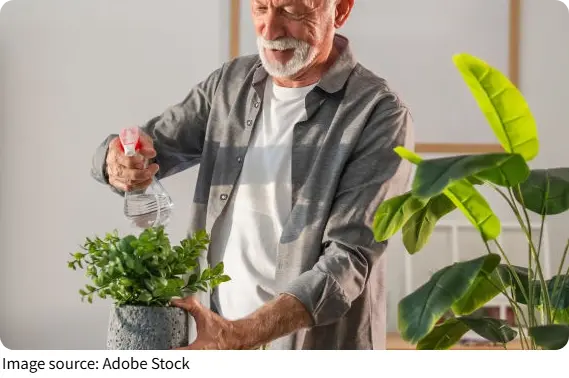
Understanding What Happens Inside the Soil
To care for plants more confidently, it helps to understand what is happening beneath the surface. Plant roots need both moisture and air to function properly. When soil becomes overly saturated, air spaces inside it shrink. As a result, roots struggle to “breathe” and absorb nutrients effectively.
This condition can slowly weaken the plant. Even if the soil looks fine from the outside, the internal structure may become compacted and less supportive. That is why balanced soil conditions are far more important than frequent irrigation.
A Simple Method for Beginners to Follow
For those just starting out, there is a straightforward method that works well for most indoor greenery:
First, check the soil by touching it lightly. If it feels dry several centimeters below the surface, it is time to refresh it. When adding moisture, do it evenly until it reaches deeper layers of the container. Allow any extra liquid to drain naturally from the bottom. This approach ensures that the roots receive enough hydration without remaining in overly damp conditions. It is a practical routine that helps avoid common mistakes while building confidence in plant care.
Seasonal Changes and Their Influence
We also need to remember that plant needs change throughout the year. During warmer months, evaporation happens faster, so soil tends to dry more quickly. In cooler periods, the opposite occurs, and the soil retains moisture for longer.
Instead of following the same pattern all year, it is better to adjust based on temperature and indoor conditions. A warmer environment may require more frequent checking, while cooler seasons call for more patience between each care cycle.
Keeping Soil Balance for Long-Term Growth
Even high-quality soil can gradually lose its structure over time. When it becomes too compact, air circulation decreases. This is why it is helpful to occasionally refresh or loosen the soil surface. Doing so supports healthier root development and helps plants stay more stable in the long run.
We do not need complicated tools or strict routines. Simple observation and gentle adjustments are often enough to maintain a healthy environment for indoor greenery.
Lykkers, caring for plants becomes much easier when we focus on balance rather than quantity. By observing soil condition, adjusting to seasonal changes, and avoiding excessive moisture, we create a safer environment for growth.
When we learn to trust simple signals from the soil, plant care turns into a more relaxed and enjoyable part of daily life. With consistent attention and gentle habits, our green spaces can continue to thrive and bring comfort into our homes.